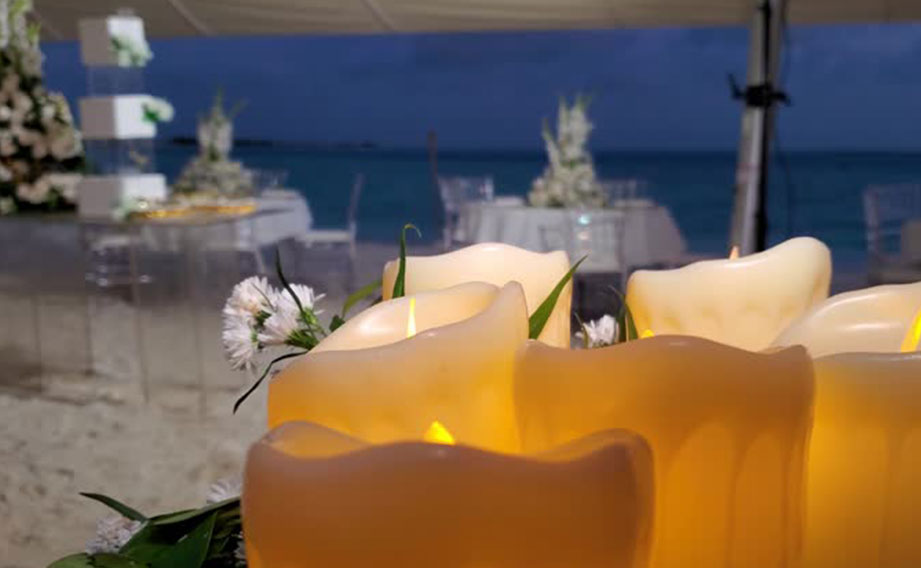
Planning your destination wedding can feel overwhelming, but it doesn’t have to be. A destination wedding feels like a dream. You get a beautiful place, a smaller crowd, and a big “we did it” moment. Still, money worries can sneak in fast. Creating a destination budget early can help you avoid unexpected expenses. That’s why a clear budget matters from day one. When you plan well, you can relax and enjoy the reason you’re doing this: each other.
Also, budgeting isn’t about saying “no” to everything. It’s about saying “yes” to what matters most. A well-planned destination wedding budget can help you enjoy your celebration without unnecessary financial stress. So, think of your budget like a map. It shows where your money should go, when you’ll need it, and what can wait. Then, when prices change or plans shift, you’ll still feel in control. Let’s walk through seven simple tips that keep your destination wedding joyful and financially calm.
1) Start with your destination wedding budget “must-haves”
Before you price anything, choose what truly matters to you. Then, your budget will match your values, not just trends. Also, this step keeps you from paying for things you don’t even want.
Try this quick exercise:
- Pick three must-haves (like beach photos, live music, or a private dinner).
- Pick three nice-to-haves (like fancy favors or a big flower arch).
- Pick three skips (things you don’t care about).
Next, give each must-have a bigger budget slice. Then, keep the nice-to-haves small and flexible. If a cost jumps later, you’ll know what to cut first. Most of all, you’ll avoid regretting spending. Because when you spend on what you love, every dollar feels better. So review your destination wedding budget regularly as travel prices and wedding expenses change.
2) Build a budget that matches real costs (use a simple table)
Many couples guess low at first. However, real numbers help you plan with less stress. For example, The Knot reports an average destination wedding cost of around $39,000 for domestic and $41,000 for international.
Your destination wedding budget should include travel, accommodations, vendors, and activities. So, start with a “working total.” Then, split that total into key buckets. Use this table as a starting point, and adjust to your priorities.
| Budget category | Target share | Notes |
| Venue + food + drinks | 40–45% | Often the highest cost. |
| Photo + video | 10–15% | Book early for better rates. |
| Travel + lodging (for you) | 10–20% | Costs vary by season and distance. |
| Flowers + décor | 5–10% | Keep designs simple for savings. |
| Attire + beauty | 5–10% | Plan for alterations and trials. |
| Paperwork + insurance + fees | 2–5% | These “small” costs add up. |
Then, add a 10% buffer line for surprises because surprise fees happen, even with great planning.
3) Keep your guest list tight (it’s a budget superpower)
A smaller guest list can be the best money saver. Also, it can feel more meaningful. With a destination wedding, many couples invite fewer people because travel takes time and money.
Zola notes that destination weddings often stay smaller, with an average of around 86 guests. That matters because each guest can raise costs for meals, chairs, favors, and transport.
To keep your list under control:
- Start with “can’t imagine without” people first.
- Then, add “would love to have” people only if the budget allows.
- Finally, skip the “obligation” invites when possible.
Also, set clear rules as a couple. For example, decide how you’ll handle coworkers or plus-ones. When you agree early, you’ll avoid hard talks later. And you’ll protect your budget at the same time.
4) Watch for hidden fees (and ask direct questions)
Hidden costs can wreck a budget fast. However, you can spot many of them with the right questions. So, ask for an itemized quote every time.
Look for common add-ons like:
- Service charges and gratuities
- Set-up and breakdown fees
- Overtime hours
- Permits, sound limits, and beach access fees
- Currency exchange and international wire fees
Also, read every contract line. Then, ask what happens if it rains or if flights are delayed to vendors. A simple question can save hundreds. Review your destination wedding budget before making large deposits.
Here’s a helpful reminder from Zola: “Venue, catering, and bar services represent the largest expenses.” So, if you control those details, you control a big part of your spend. In the end, clarity beats surprises every time.
5) Plan travel costs like a mini-project (use subheadings)
Travel can feel messy, so break it into parts. Then, you’ll see where the money goes and what you can control.
Airfare
First, pick dates with price in mind. Midweek flights often cost less. Also, book earlier for peak seasons.
Lodging
Next, decide how many nights you’ll cover. Some couples pay for their own stay only. Others cover a few key guests. Either way, write it down.
Local transportation
Then, plan rides between the airport, hotel, and venue. If the venue sits far out, transport costs rise fast.
Also, set a “travel cap” for yourselves. That cap is your line in the sand. Because if your travel costs explode, the rest of the budget will suffer. When you manage travel early, your destination wedding plan feels much safer.
6) Choose a smart timing strategy to save money
Your date impacts almost every price. So, timing is a powerful tool. In many locations, high season costs more. However, shoulder seasons can offer great weather and lower rates.
Use these timing moves:
- Pick a weekday wedding if your group can do it.
- Avoid major holidays and local festival weeks.
- Consider a shorter event schedule to reduce vendor hours.
Also, book key vendors early. Even if you don’t pay in full, you can often lock a rate with a deposit. Then, you’ll avoid last-minute price spikes.
Brides report that many couples go over budget. So, timing plus early booking helps you stay on track. In short, the calendar can save you real money.
7) Track every dollar and build a “calm buffer.”
A budget only works if you track it. So, choose one system and stick with it. You can use a spreadsheet, a notes app, or a simple notebook. However, keep it all in one place.
Next, track these items each week:
- Deposits paid
- Payment due dates
- Remaining balances
- Tips and final-day cash needs
Also, create a buffer fund. Aim for 10% of your total budget. Then, if the weather changes plans or a vendor needs extra time, you won’t panic.
One planner-style rule helps here: “If it isn’t written down, it isn’t real.” Put numbers in writing, and you’ll feel calmer. When you track spending in real time, your destination wedding stays fun instead of stressful.
Conclusion: A budget that protects the joy
Your destination wedding budget should support your love story, not control it. So, focus on priorities first. Then, use real numbers, a smaller guest list, and clear contracts. Also, plan travel details early and track spending weekly. With these habits, you’ll feel more confident with every choice. Your destination wedding budget should reflect what matters most to you as a couple.
If you want hands-on help coordinating travel details for your destination wedding, Alluring Travel can support your planning from the first budget draft to the final itinerary.